The Stadium of Domitian at a glance
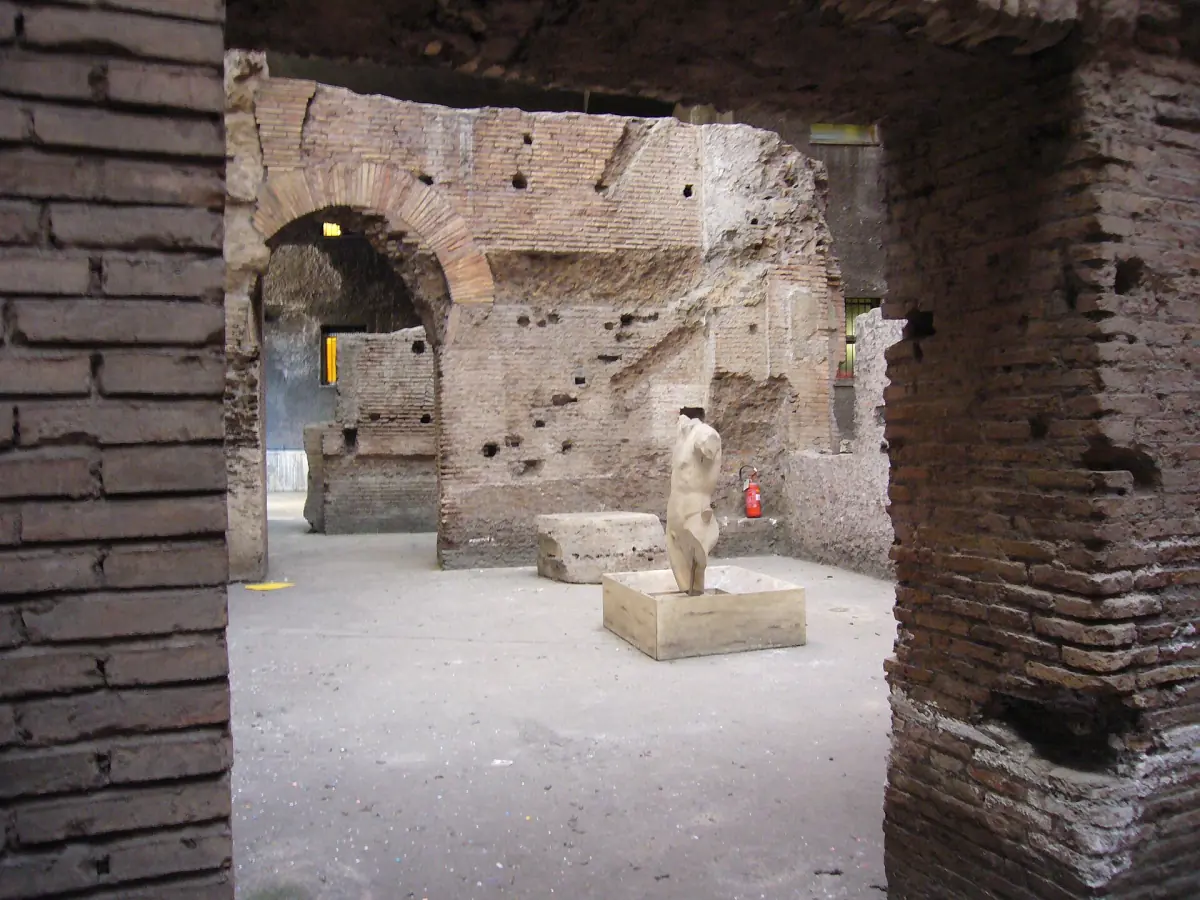
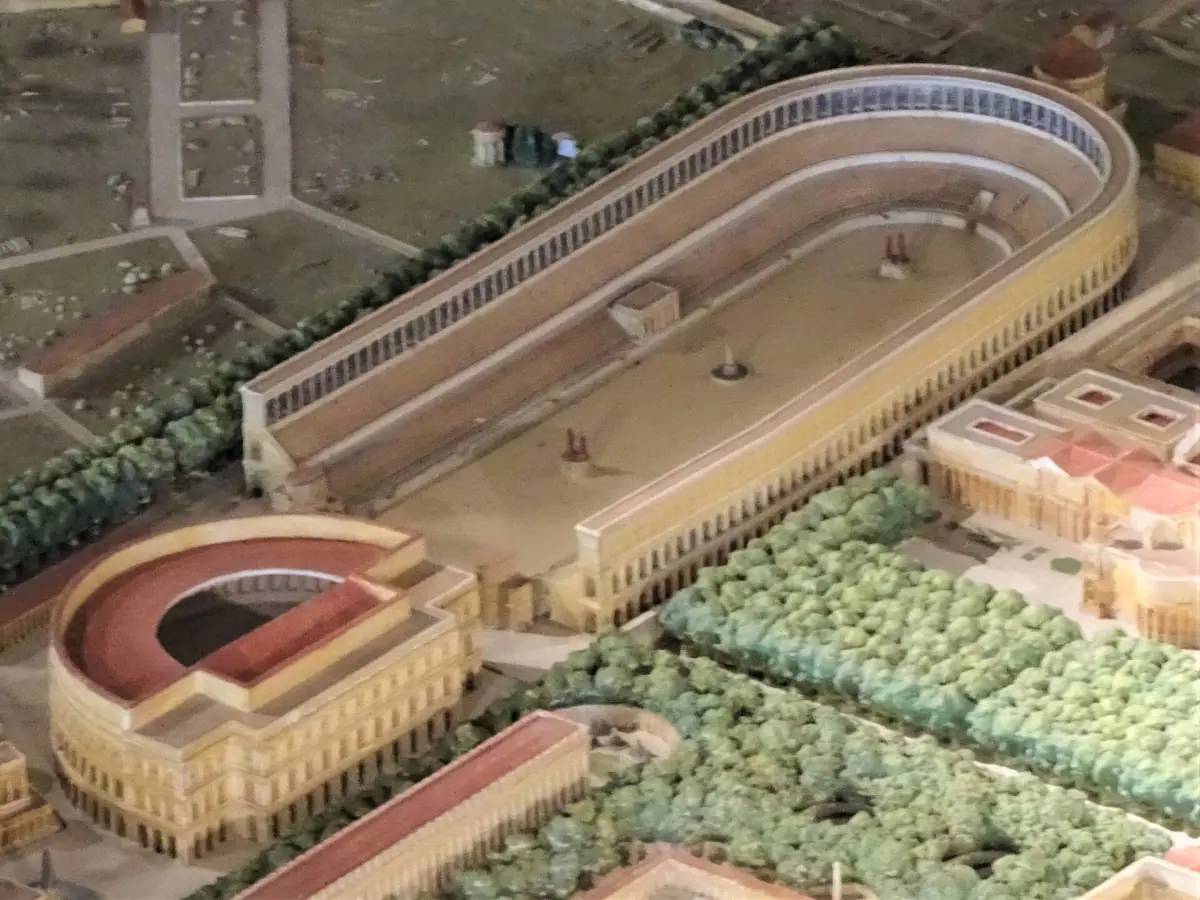
The Stadium of Domitian (Stadio di Domiziano) was an ancient stadium for athletic contests. It was inaugurated in 86 AD for the Certamen Capitolino Iovi, a contest in honour of Jupiter. The track was long, with a rounded short end. Today's Piazza Navona follows that shape, and the buildings around the square still keep the outline of the ancient track.
The remains lie below street level, at roughly 4.5 to 6 m depth. The archaeological area has its entrance at Via di Tor Sanguigna 3, next to the square. It is not an open excavation in the middle of the piazza, and there is no complete walk beneath the square.
Current status: the archaeological area is closed for restoration. Plan your visit as a walk outside, and check the current status before you go. Do not book anything that promises a stadium entry unless you have confirmed that the site is open.
Why the square is oval
The shape of Piazza Navona is the shape of the stadium. The square is long and narrow, with one rounded end, and the houses along its edge keep the line of the ancient track. That is why the piazza has no regular rectangle like most Roman squares.
The name belongs to the same story. Navona is traced back to the Greek word for games, agones, and the church Sant'Agnese in Agone carries the same root in its name. For the longer story of the square, read the history of Piazza Navona.
Keep two places apart: the stadium and the crypt of Sant'Agnese are different visits. If you want the church, see the Sant'Agnese in Agone page.
Where to see traces of the stadium from outside
With the area closed, the clearest view of the stadium is the shape of the place itself.
Walk the long axis
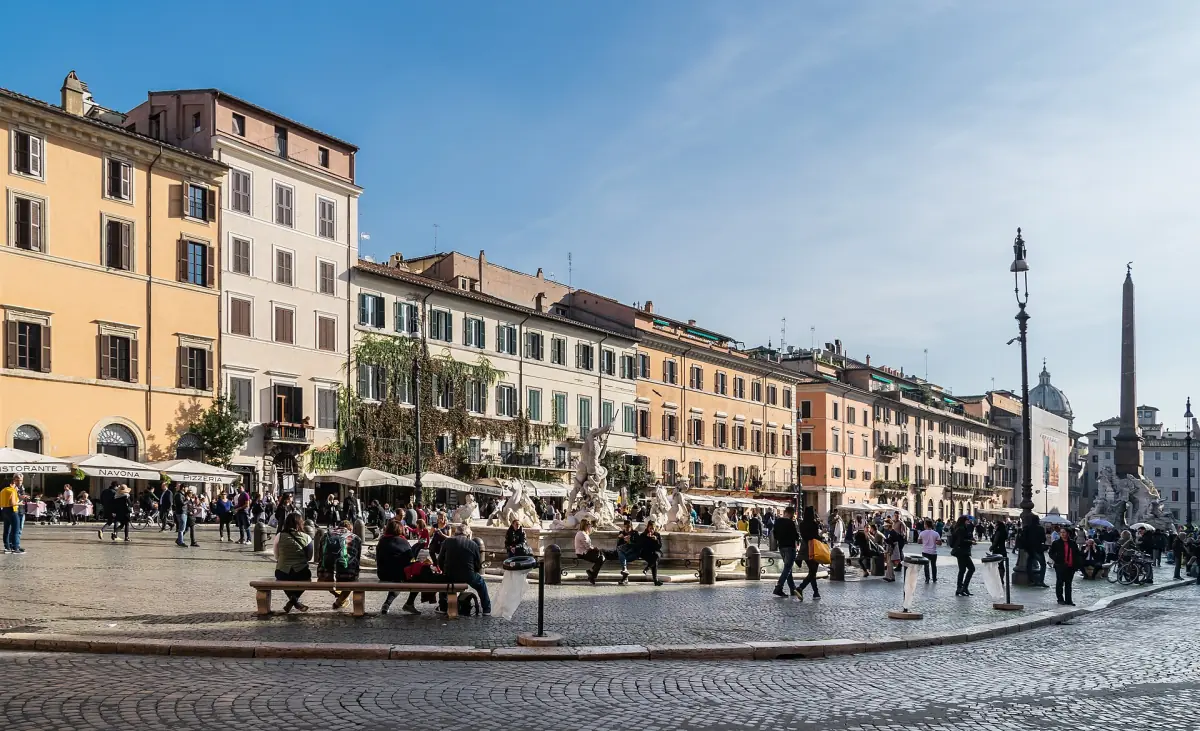
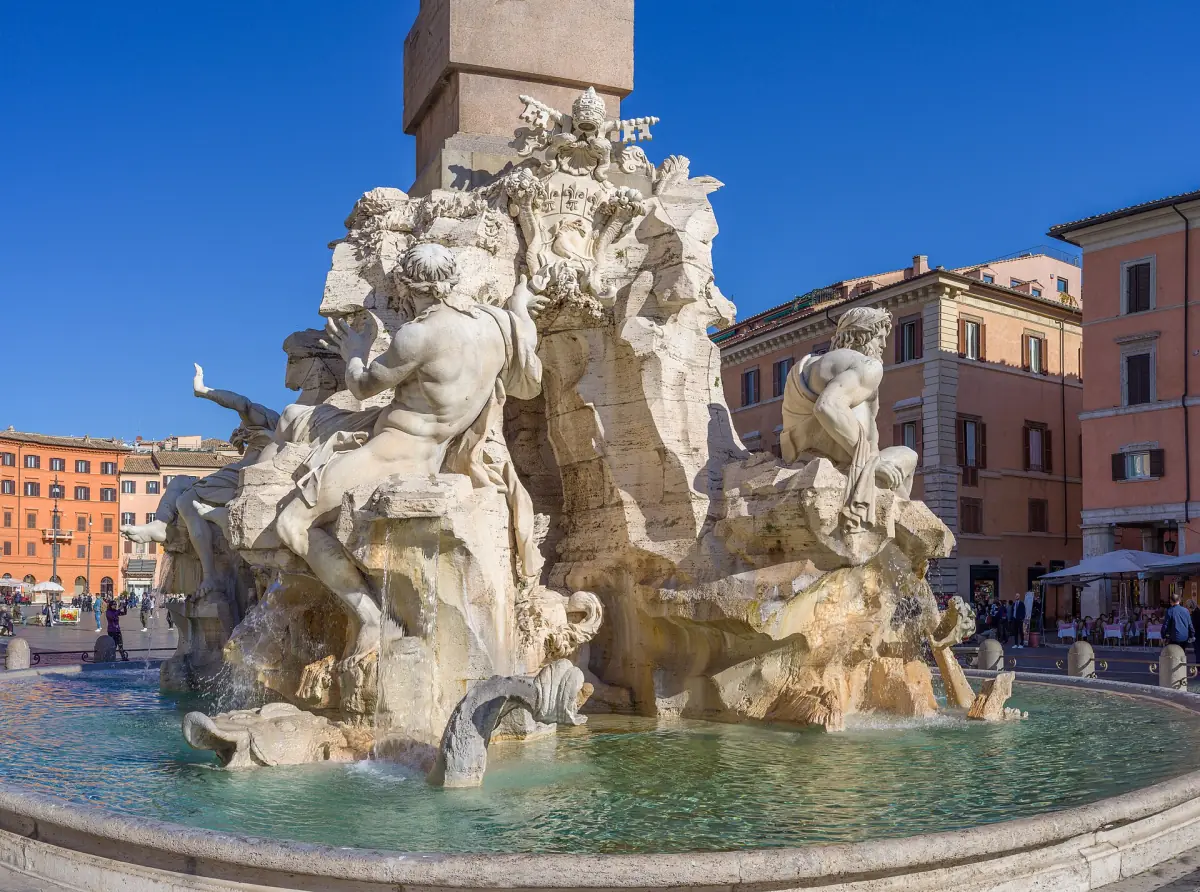
Start at one end of the square and walk to the other. The long, straight sides and the rounded end are the outline of the track. The three fountains along the middle give you fixed points to measure the length.
Follow the building line
Look at the houses along the edge of the square. They stand on the old outline and keep the oval. Walk once along the edge and once through the middle, and you see the same shape from two sides.
Find the street sign
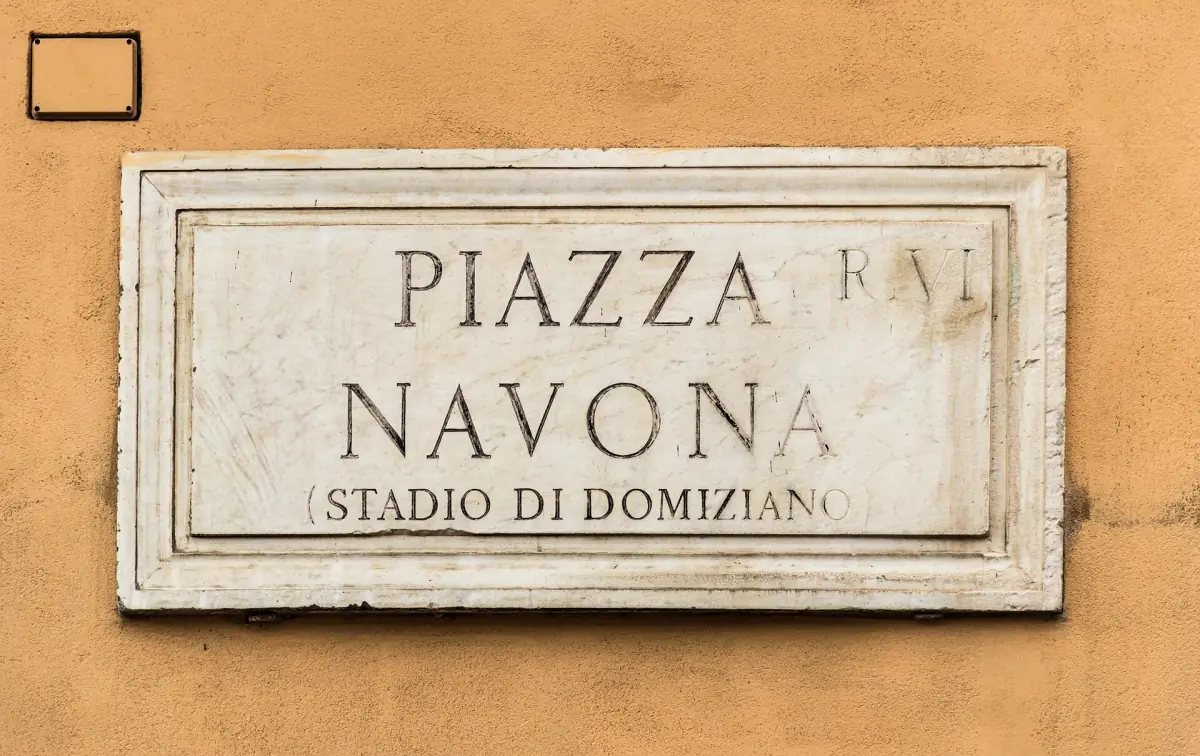
The street sign on the square mentions the stadium. It is a small marker, but it links the modern address with the ancient one.
Stop at Via di Tor Sanguigna
The archaeological area has its entrance at number 3. You cannot go in at the moment, but you see where the visit normally starts, and you understand that the remains lie well below the street.
Walks and tours around Piazza Navona
Walking tours of the Piazza Navona area with live prices and availability. Some tours list a stadium visit in their programme, so check what the current itinerary includes before you book.
Stadium, crypt and museum: three different visits
People often mix them up. This is how they differ.
| Place | What you see | Where | Status |
|---|---|---|---|
| Stadium of Domitian | Remains of the ancient stadium below street level | Via di Tor Sanguigna 3 | Closed for restoration |
| Crypt of Sant'Agnese | The small crypt below the church | Sant'Agnese in Agone, on the square | Guided visits through the church's booking route; works resumed in May 2025 |
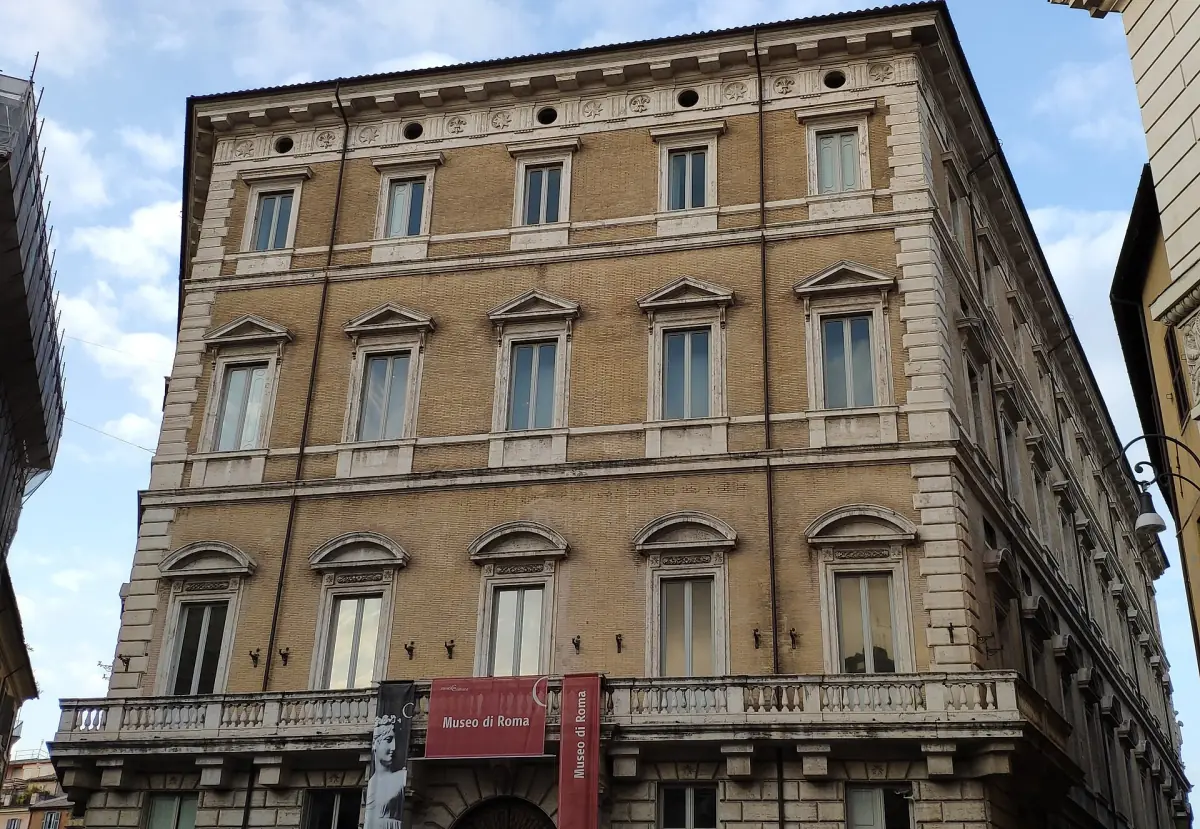
| Palazzo Braschi | Museo di Roma, rooms with windows to the square | Piazza San Pantaleo 10 and Piazza Navona 2 | Open Tuesday to Sunday |
An archaeological area, a church crypt and a city museum each have their own opening times and tickets. A free walk on the square does not include any of them.
What to do while the stadium is closed
Use the time on the surface and in the museum next door.
Visit the museum
The Museo di Roma in Palazzo Braschi is a few steps from the square. Its rooms with windows to the piazza show the oval from above the ground, which is a useful counterpart to the view from below.
Palazzo Braschi →Add the other ancient sites
For ancient Rome in the wider centre, such as the arena of the Colosseum, use the guide to the Colosseum. For the old civic centre, see the Roman Forum guide.
Come back for the details
If you plan around a stadium visit, look at the current status shortly before the trip. A restoration closure can change, and this page does not promise a date.
Stadium of Domitian: frequently asked questions
Can I visit the Stadium of Domitian now?
No. The archaeological area is closed for restoration. Check the current status before you go, and do not book a ticket that promises entry without confirming it.
Where is the Stadium of Domitian?
Below and around Piazza Navona. The archaeological area has its entrance at Via di Tor Sanguigna 3, next to the square. The remains lie about 4.5 to 6 m below street level.
When was the stadium built?
It was inaugurated in 86 AD for the Certamen Capitolino Iovi, a contest in honour of Jupiter.
Why is Piazza Navona oval?
The piazza follows the track of the stadium. The buildings around it keep the outline of the ancient track, with its long sides and rounded end.
Is the crypt of Sant'Agnese part of the stadium?
No. The crypt below the church is a separate visit. Guided crypt visits go through the church's own booking route, and works in the small crypt area resumed in May 2025.
Does a tour of Piazza Navona include the stadium?
Some tours list it in their programme. Because the site is closed, check what the current itinerary includes before you book.